How Much Do Storage Units Cost In 2024?

You have some excess stuff in your home, and now you need a storage unit. But you’re not quite sure if that’s the smartest option for your budget. We get it! Most people looking to store their belongings elsewhere are also wondering “how much do storage units cost?”

Well, there are several factors that affect self storage prices. But let’s break it down simply so that you can understand the overall costs and choose the best option for your family. 

How Much Does a Storage Unit Cost?

Average storage units costs are typically somewhere between $100 and $300 per month. Of course, the price depends on many different factors, such as unit size, location, climate control, rental period, and other factors. Overall, it usually boils down to size and availability.

When it comes to the United States, the average storage unit cost as of March 2024 is $85.14 a month

Here are the average storage unit costs that most storage unit companies offer:

Unit sizeStorage spaceAverage costs
5×1050 sq ft$40 – $100
8×1080 sq ft$60 – $150
8×20160 sq ft$100 – $250
8×40320 sq ft$200 – $400

What Factors Affect the Cost of a Storage Unit?

The more you know about self-storage units, the better. You’re more likely to make a good decision once you understand all the factors influencing storage prices. So here are some of the main ones that you should know. 

Unit size

The unit size is one of the key determinants when it comes to the storage unit price. Every self storage company has their own pricing structure based on storage sizes, but the standard unit sizes are roughly the same in most facilities.

Most common sizes range from small units (like 5×10 units) to bigger ones (10’x30’ spaces). The smaller the unit, the cheaper, of course. You’ve got to be smart about your stored items and try to accurately assess how much space you’ll need. This will help you pick the most convenient unit size for both your belongings and your family budget.

Location

Where you live can also affect the price of your storage unit. Just like with all other expenses across the country, you can also expect to pay more in urban areas than in rural ones. This is because of different living standards but also due to higher property costs and greater demand. For example, a standard 5×5 storage unit costs between $30 to $75 in Norfolk, Virginia, while they go as high as $150 in New York City.

Availability

Storage units are less popular in winter, so the prices are typically lower, especially in cold areas. This is because people generally don’t use moving or relocation services during colder periods of the year, so storage facilities are also in lower demand. But if you want to save money, you can consider renting a unit during the winter months when demand is lower. Since the demand is low, storage companies may offer discounts or special promotions to attract customers.

Climate control

Climate controlled units offer guaranteed temperature and humidity controls so they are more expensive than standard ones. This is typically somewhere between $20 and $30 more expensive, so it’s important to have that in mind if you want to store belongings that require extra care. These are the stuff you want to protect from wind, rain, moisture, mold, which is especially important during the hot and humid months.

For instance, the items that require climate control are books, artwork, vinyl records, antiques, wooden furniture, and electronics. can be ideal for fine art and important documents.

Insurance

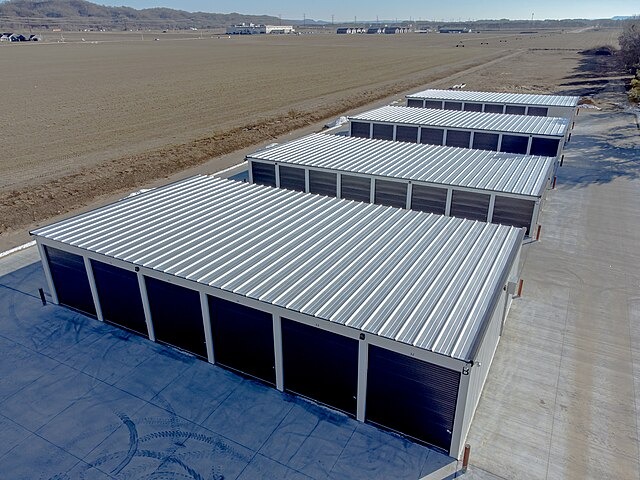
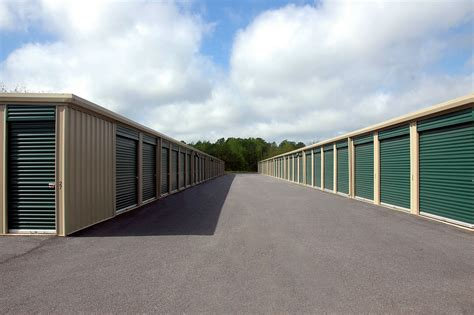
Many storage facilities require customers to get insurance for their stored stuff, which increases monthly expenses for your storage unit. Depending on your provider, you can buy insurance through them or separately. It’s vital that you understand your insurance policy coverage, so never assume—always ask! This is how you’ll have peace of mind later on, knowing your stuff is safe and protected. Storage Warehouse Facility Free Stock Photo - Public Domain Pictures

Additional costs

In addition to the monthly rent, there are other costs that can change how much you pay for a storage unit: 

  • Rental period – How long you rent out a unit is another potential price factor. Longer rentals often get discounts, while shorter ones may cost more;
  • Access type – Access features such as 24-hour or drive-up access often cost more so it’s important to keep that in mind when browning companies;
  • Special features – Always stay mindful of additional costs that come with special features. So, if you require climate control, enhanced security features, 24/7 access, etc. you also need to be prepared to pay a little bit more for those amenities;
  • Security deposit – Some companies may require a refundable security deposit upfront, which can pump up the initial price for you;
  • Taxes and fees—Local authorities may impose additional taxes and fees, so it’s important to do your research before you commit to a facility.

Finding the Right Storage Unit for Your Budget

Now that you understand the average costs and the key pricing factors, you’re almost set to choose your storage provider! But there are some extra tips we’d like to give you because we believe they’ll help you make the most out of your storage experience while staying within your budget.

  • Compare prices: If you want to stay within your budget, it’s always a good idea to get quotes from several different storage companies and compare their prices.
  • Assess your needs: Before you start comparing prices, make sure you know exactly what you want to store away, their dimensions, and any other special requirements you have.
  • Think strategically: A strategic approach goes a long way in life, but this is also true for your storage needs. So, make sure you utilize your house space efficiently, such as your attic, garage, or basement. Maybe you can divide your belongings between your existing space and storage unit rental?
  • Consider storage location – As we mentioned, your location is a vital pricing factor, so if you don’t need to access your stuff often, you might want to find a cheaper area and save money.
  • Choose basic features: There are always going to be some fancy special features to choose from, but unless they’re absolutely necessary for your stuff, why spend that extra money? Choose basic features and reduce your costs this way.

We know how important it is for you to choose a reliable storage provider that fits into your family budget! After all, a storage unit you pick will become an extension of your home, so it’s essential to make sure it aligns perfectly with your needs. 

We hope this guide was helpful and that you’re now ready to find a convenient new place for your extra stuff. If you’re looking for self-storage in Ponca City, OK, you can count on us at My Storage Box. We offer affordable, easy access, and secure storage units. You can contact us 24/7, 7 days a week, and we’d be happy to assist you!

Rent Storage Unit Cost FAQ

Here are some of the most common questions we get about storage rentals. 

Does renter’s insurance cover storage units?

Renter’s insurance typically covers your property in storage units against theft or weather-related damage up to your policy limits with some exclusions.

Do you need to pay for the maintenance of your storage unit?

No, you don’t need to pay extra for the maintenance of your storage unit. Maintenance costs are typically covered by your monthly rent and security expenses.

How much is a small storage unit?

The average small storage units (5×5 and 5×10) typically cost around $60 per month. However, the price may be higher depending on the unit location, special features, and other additional expenses.

What is the most popular storage unit size?

The most popular storage unit size is 10×10 feet, which is about half the size of a bedroom. This unit size is commonly used for short-term purposes during relocation or house remodeling.

8 Essential Tips for Preventing Mold in Storage Units

If you want to learn how to prevent storage unit mold and maintain the quality of your stored items, you’re in the right place!

Let’s face it, the last thing you want on your mind when you put away your stuff in a storage unit is the threat of mold. But unfortunately, that’s a common concern. Certain items are simply prone to growing mold and mildew. As you probably know, mold is quite destructive and can ruin your household things, causing them to smell badly and eventually go to waste. Beyond the material damage, it’s also dangerous for your health as it can trigger allergies and respiratory issues. 

The key is to think one step ahead! You don’t want to find your stored items damp, soiled, or, in some cases, unsalvageable when you come to retrieve them from your storage unit. So, it’s important to do your best to prevent mold in your storage unit. Read on to discover eight essential tips for ensuring your belongings are safe.

8 Ways to Prevent Mold in Storage Units

We’ll share the eight most effective tips for preventing mold growth and protecting your things. Most of them are easy and quite simple, but they all work like a charm! 

  1. Choose Your Storage Containers Wisely

If you’re tempted to go for a simple cardboard box for all the belongings you want to put away, you better think twice. Here’s why. While cardboard boxes are definitely the easiest solution (that works perfectly well for some items), it’s not the most ideal option for anything made out of fabrics, such as clothing, sneakers, and linens. The reason is they don’t protect well enough against moisture, so your clothes and linens could end up damaged by mold and mildew.

You should choose storage containers depending on what you want to store. For example, acid-free boxes are the best storage containers for books, while vacuum-sealed bags are best for clothing.

  1. Pick the Right Storage Unit

Your best bet for preventing mold in your storage is to pick the right storage facility. Investing in a reliable and waterproof storage unit would reduce your anxiety and stress about getting your stuff damaged while stored.

There are so many different features that storage facilities offer nowadays, but picking the right one for you depends on your needs. In this case, it’s all about finding a moisture-resistant storage space. Most storage places have air conditioning, and dehumidifiers can help prevent mold growth. Some facilities also have the option of adding features such as vents or air conditioners for extra protection.

  1. Clean and Dry Items Before Storing

As you probably know, mold requires moisture to grow. It either happens because of water intrusion or high humidity levels. That’s why cleaning and drying your items thoroughly is vital before putting them in storage units. 

If you leave things damp, they can attract mold which can ruin your clothes and furniture. When it comes to clothing, make sure you check for food stains, oily deposits because they can also attract mold and other pests. Anything you have that has been exposed to water like outdoor furniture should be dried completely. 

So, clean and dry your belongings a couple of days ahead before storing them and make sure you keep all compartments open so that they air out properly.

  1. Pack Desiccators in Your Storage Container

Desiccators are those packets filled with tiny balls made of silica gel that you usually get with your new shoes or sneakers. If you’ve never wondered what they actually do, now’s your chance to find out. They actually protect your new shoes and are safe for you until you buy them. That’s what you can also do with your clothes and linens. Just put a few of those packets into your storage containers and they will absorb moisture, keeping mold and mildew away. 

  1. Consider a Climate-Controlled Storage Unit

Your best chance in fighting off mold is to consider using a climate controlled storage unit. Since mold thrives in warm conditions, a climate controlled unit can be a great solution for keeping the humidity and temperature stable, preventing mold growth and preserving the condition of your stuff. These units offer heating, ventilation, and air conditioning systems, which are all powerful allies in maintaining optimal environmental conditions in your storage.

  1. Use Mold-Preventive Products to Prevent Mold Growth

Another way to prevent mold growth in your storage unit is to use special prevention products such as air purifiers, dehumidifiers, or mold control sprays. They all work in different ways but will help you keep your unit in an optimal condition.

For instance, air purifiers filter out mold spores from the air and improve air quality in your storage. They use HEPA filters (High-Efficiency Particulate Air), which are designed to trap tiny particles like mold spores, dust mites, and pollen and prevent them from spreading and growing in your storage room.

Dehumidifiers are also an effective tool for fighting mold. They reduce humidity level in the air, creating a less favorable environment for mold growth. It’s important to regularly clean out and replace the filters in your dehumidifiers so that they remain effective in preventing mold.

While dehumidifiers and air purifiers address the underlying cause of moisture buildup, mold control sprays are designed to treat existing mold and prevent it from spreading. You can use them together to ensure your storage area is in top condition. 

  1. Measure Moisture Levels

Since mold thrives in humid conditions, it’s essential to keep a dry environment in your storage unit. Remember to check your storage unit regularly to ensure moisture levels are low. Using a hydrometer is the best way to monitor and prevent moisture. It helps you stay informed on humidity levels and promptly react if they begin to rise. Keeping the humidity levels below 55% will effectively discourage mold growth, but it would be ideal to go for 30-50%.

  1. Position the Items Strategically

If you want to prevent mold, pay attention to how you position your belongings in your storage unit. It’s important to leave some air to circulate around your items. So, for instance, try to avoid putting things directly against the walls. Instead, make sure there’s a bit of space to allow air movement. This helps to prevent moisture buildup and keeps your stuff safe.

FAQ: How to Prevent Mold in Storage Units

How to Get Mold Out of a Storage Unit?

You can get mold out of your storage unit by brushing it out as much as you can with a soap or detergent. Once you get the most visible parts cleaned up, you can put some bleach on it for around 15 minutes, then rinse and repeat. Remember to wear protective gear at all times while you work on getting the mold out.

How to Stop Stuff From Getting Mouldy in Storage?

You can stop your stored items from going moldy by packing them in airtight containers or placing silica gel packs inside your waterproof boxes. You can also protect it from mold by investing in a reliable and waterproof storage unit provider who will make sure your items are clean and safe.

Are Storage Units Responsible for Mold?

Storage units require their renters to adequately pack and insure their staff, so for this reason, they are not generally responsible if mold happens. That’s why it’s important you do your best to keep your unit organized and properly maintained.

What Is the Best Moisture Absorber for Storage Units?

Silica gel packets are considered to be the best moisture absorber for storage units. They are able to absorb excess moisture from the air and protect items from getting moldy. They’re also simple to use and very affordable, making them a go-to solution for preventing mold growth in storage units.

Final Thoughts

Dealing with mold on your belongings is quite a hassle. It can ruin your favorite clothes and take a lot of time to clean out. That’s why prevention is the best medicine. You want to keep your storage unit well organized, clean, and in top condition. All the tips from above will help you keep mold away, providing peace of mind knowing your storage facility is protected. 

To stay extra safe about your stuff, we suggest you look into waterproof storage units. At MyStorageBox, we offer waterproof containers for all your storage needs. Our units are safe, affordable, and very convenient to use. Get in touch with us at (580) 300-3006 and we’ll talk more!