12 Back-to-School Organization Tips for a Stress-Free School Year

The Ultimate Back-to-School Organization Guide: 12 Tips to Simplify Your Routine

The back-to-school season has a way of sneaking up on you. One moment, it’s carefree summer days, and the next, you’re knee-deep in school supply lists, new schedules, extracurricular sign-ups, and the daily morning rush. No wonder so many parents feel overwhelmed.

The good news? With a little planning and a few clever organization hacks, this transition can feel far less chaotic. From setting up a family command center to creating a homework station and even making the most of self-storage, you can make the back-to-school season smoother and stress-free.

Here’s how to master back-to-school organization and start the school year on the right foot.

Assess Your Storage Needs

First things first. Before you dive into buying bins and planners, pause and take a good look at your current setup. The start of a new school year is the perfect excuse to declutter and reset your home. 

Ask yourself:

  • What items do we need and use every day (books, backpacks, lunchboxes)?
  • What’s only needed occasionally (art supplies, sports gear)?
  • What’s eating up space that could live elsewhere (seasonal clothes, bulky equipment)?

Getting clear on what stays, what gets stored, and what no longer serves you will help you avoid overbuying and keep your home functional. And if space is tight, consider moving out-of-season items into self-storage so your daily areas stay organized and clutter-free (but more on that later).

Create Dedicated Storage Zones

The easiest way to keep back-to-school chaos at bay is to give everything a clear home. Think of your home in zones, where each activity has its own designated spot. 

  • Homework hub: A desk or table stocked with pencils, papers, and other essentials.
  • Book station: Shelves or magazine holders to separate subjects and keep things tidy.
  • Entryway zone: Hooks or bins for coats, backpacks, and sports gear so they don’t pile up elsewhere.

When every item has a place, kids know exactly where things go, and you spend less time hunting for missing supplies. If space is limited, rotate out what you don’t need right now and move extras or seasonal gear into storage so only the essentials stay within reach.

Maximize Storage Efficiency

Even if your home isn’t huge, smart storage strategies can make every inch count. 

For example, start with clear bins so both you and the kids can see what’s inside at a glance. Another way to speed up the search for stuff is to use label makers and label your boxes. Let’s not forget about the increasingly popular and for a good reason portable storage like rolling carts or supply caddies. They move easily through rooms and are super easy to organize vertically. 

While we’re on it, vertical organization can be of huge help too. You can either stack boxes and bins on top of each other to save space or use wall-mounted organizers. All these simple tools and hacks make daily organization effortless, keep clutter under control, and save precious minutes during busy mornings.

Establish a Family Command Center

A command center is like the headquarters of your home. 

It’s the go-to spot for school schedules, reminders, and all those important papers that somehow vanish when you need them most. Honestly, it’s a must-have for staying on top of school organization (and most parents will back us up on that).

The best part about it is that you don’t need a huge space. A kitchen corner, entryway, or mudroom works perfectly as long as it’s in a high-traffic area. 

Start with the basics: a large weekly calendar or whiteboard (color-coded for each member), file folders or a bin for school papers and permission slips, hooks for backpacks, coats, and lunch bags, and a small basket for essentials like keys and wallets. 

Keep things running smoothly with a label maker for supplies and folders so nothing gets misplaced. And let’s not forget, this spot can double as a drop zone where kids stash their backpacks and lunch boxes, keeping the entryway clutter-free.

Set Up a Homework Station

Homework can be stressful for both kids and parents. Creating a homework station in a dedicated spot where kids can do their homework can help them focus and build study habits.

Here’s how to set it up:

  • Pick a quiet corner of your home or even a small spot at the kitchen counter.
  • Stock it with essentials: pencils, paper, glue sticks, and calculators.
  • Use small bins, caddies, or drawers to keep everything organized.
  • Add a dry-erase chart to track assignments and due dates
  • Make it comfortable with a good ergonomic chair and proper lighting.

You won’t believe how much difference all these little details make. When kids know where their school supplies are and have a dedicated homework space, evenings become much less chaotic.

Streamline Mornings with Lunch Prep

We all know the morning rush: making sure the kids are dressed, fed, and out the door on time. Packing lunches the night before is one of the simplest ways to take the edge off, especially during the first week of school.

Tips for stress-free school lunches:

  • Use a lunch box or lunch bag with separate compartments so food stays organized, and you can pack a variety of healthy snacks (fruits and veggies).
  • Create a weekly meal prep plan to avoid last-minute trips to the store.
  • Prep fruits and veggies on a Sunday so kids can grab them quickly.
  • Consider using a thermos or insulated lunch box to keep food hot or cold and a water bottle to stay hydrated throughout the day.
  • Storage hack: Keep a bin in the pantry just for lunchbox items (granola bars, crackers, reusable water bottles). It’ll save you valuable morning minutes.

With a system in place, mornings become less about chaos and more about calmly heading out the door.

Use a Chore Chart for Shared Responsibility

Organization isn’t just a parent’s job. It works best when it’s a family effort.

A chore chart helps kids take ownership of daily tasks, stay on top of responsibilities, and learn important life skills that go beyond the classroom. You can create one with a dry-erase board, a printable chart, or even a magnetic board to make it fun and interactive.

Include age-appropriate tasks like feeding pets, making the bed, or helping with laundry, and assign them to specific days so they become part of their routine. To keep motivation high, consider small rewards or incentives like extra screen time, a family outing, or even a simple shout-out of recognition. 

When kids see their efforts acknowledged, they’re more likely to stay engaged and stick with it, which makes the school run more smoothly for everyone.

Establish an Entryway Drop Zone

The entryway is often the messiest part of the house, but it doesn’t have to be. 

Creating a designated drop zone instantly reduces clutter and keeps mornings running smoothly. 

Set up an area near the front door where kids can unload their backpacks, lunch boxes, and other school supplies as soon as they walk in. Hooks, bins, and shelves work wonders for keeping everything in its place. Add a bench or stool so kids can sit while putting on their shoes (it saves time and frustration when you’re rushing out the door). Don’t forget the little things: a tray or basket for keys, wallets, and other grab-on-the-go items will keep them from disappearing into the chaos. Even if your entryway is small, smart solutions like vertical shelving, hanging organizers, or wall-mounted baskets make a big difference. 

And for overflow or seasonal gear, consider rotating items into a storage unit to keep your space tidy and functional year-round.

Stay Connected With Check-Ins

Good organization is also about keeping communication clear. Kids thrive when they feel supported, and regular check-ins can prevent missed alignment or forgotten activities. It can help you stay informed about their schoolwork, after-school activities, and social life, so you can provide support and guidance when needed.

Here are some ideas for staying connected as a family:

  • Use a family calendar or a shared digital calendar that syncs to everyone’s device.
  • Consider setting up regular family meetings to review the calendar.
  • Set aside one-on-one time to talk about goals and challenges.
  • Encourage kids to ask questions and seek help when needed.

This way, you’re not just running task to task but building genuine family connections.

Teach Time Management Skills

Time management is a lifelong skill that benefits kids well beyond the classroom. Helping them learn to manage their schedules early can set them up for long-term success.

Vintage green clock.

Start by creating a daily or weekly schedule to prioritize tasks, reduce stress, and stay productive during the school year. Use a planner or a digital calendar to track events, deadlines, and assignments. Set reminders and leave buffer time for unexpected tasks or activities.

Encourage kids to use planners, too. It helps them build independence and learn skills they’ll use throughout their lives. 

And remember, kids often learn best by example. When they see you managing your time well, they’re more likely to mirror those same healthy habits.

Build Healthy Habits and Routines

It’s easy to forget the basics when school gets busy, but healthy routines around sleep, food, and exercise are the foundation for a productive year.

  • Sleep: Set a consistent bedtime and morning routine so kids feel well-rested and ready for the day.
  • Nutrition: Keep balanced snacks like fruit, veggies, and healthy grains on hand to avoid sugar crashes.
  • Movement: Encourage walking, biking, or active play after school to burn off energy and stay fit.
  • Hygiene: Create simple checklists for brushing teeth, washing hands, and packing lunches to keep everyone on track.

Consistency in these routines helps kids feel secure, reduces stress, and makes it easier to maintain a healthy lifestyle year-round. Plus, when kids develop good habits early, they carry them forward, building a positive relationship with food, exercise, and sleep that lasts a lifetime. 

And let’s be real, helping your child build these habits is one of the most powerful ways to set them up for success.

Leverage Self-Storage for Back-to-School Success

Even with all the bins, hooks, and clever hacks in the world, sometimes your home simply runs out of space. That’s when self-storage steps in as a true lifesaver. By moving out the extra clutter, you free up room at home and put your energy where it belongs: supporting your kids through another great school year. 

If you’re looking for the right solution, My Storage Box could be the perfect fit. 

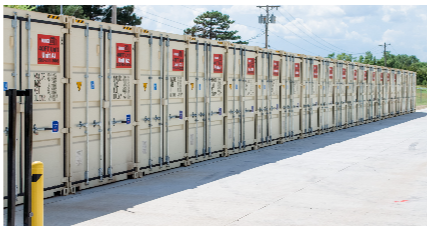
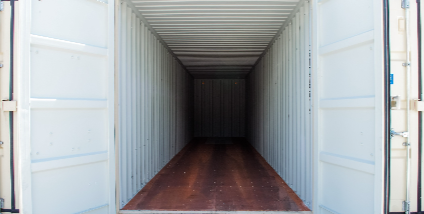
Our secure, waterproof storage units offer 24/7 access, gated entry, and video surveillance for complete peace of mind. Plus, our clean, well-maintained facility ensures your belongings stay in top shape, so you can store with confidence and breathe a little easier this back-to-school season.

Final Thoughts

The key to back-to-school organization is finding what works for you.

Some families thrive with chore charts and command centers, while others keep it simple with just a calendar and a few labeled bins. The goal is not to create a picture-perfect home, but to find systems that make your daily life smoother and less stressful. 

And remember, this season doesn’t have to feel overwhelming. With the right tips, you can head into the new school year feeling calmer, more organized, and even a little excited for what’s ahead.

Have questions for the My Storage Box team? Get in touch with us at (580) 300-3006. We’re here to make storage simple.

Top RV Storage Options for the Summer: Keep Your Vehicle Safe When It’s Not In Use

Secure RV Storage: A Guide for Protecting Your Investment

Well, here we are smack-dab in the middle of summer. The lakes are inviting and full, and the campgrounds are itching to be used. But, for the bulk of people, when they leave the campground, they need a place to keep their rigs. Many neighborhoods prohibit RV storage, so where does this leave them both during the season and after? 

Where does that leave you? Outdoor storage is the best option, and we have it available in Ponca City!

Summer RV Storage

You probably won’t be the most popular guy on the block when you park your 42’ 5th-wheel on the curb of your street. In fact, in many cities it is illegal to do so. Yeah, you could park your RV in your driveway if you have enough room, but it would take up your whole driveway and probably block your garage access. 

Not to mention, these are not all that secure. Campers are not that hard to break into, and they are basically a giant target for distracted drivers to hit the curb (assuming they are allowed to be there in the first place). And don’t even get started on HOA rules. 

A gated and secure storage facility gives you the peace of mind you need with dedicated RV storage space. And why not get a storage unit, too, for all the camping toys you haul to the lake?

You can get started right now! 

Storage Facility

So, what are you looking for in RV storage? The facility itself should provide secure, easy access, preferably 24/7. The average purchase price of RVs keeps going up, so protecting your asset is important! 

  • Check their security fences, gated entry, and security cameras.
  • Consider the storage facility’s location, close to your home and major highways. We are conveniently located at the Ponca City Airport for easy access. 
  • Read reviews and ask other RV owners for referrals to find a good storage facility.
  • Make sure they have enough space for your RV and easy access for loading and unloading. Our RV spots are 10×40, ample for most RV types. 

Outdoor Storage

Indoor or covered RV storage is a good option, although it is usually limited and comes with a cost. Outdoor storage is a cost-effective option, but requires extra precautions to protect your RV from the elements. Paint and surfaces will fade, and mildew will grow on the exterior of your RV. 

You might consider using a high-quality RV cover or cloth cover to protect your vehicle from sun damage and UV rays. Use tire covers and wheel chocks to prevent flat spots and keep your RV stable. It’s good practice to move your RV monthly to prevent these from happening. 

Inspect your RV’s exterior and interior regularly to prevent mildew growth and damage from extreme temperatures. Oklahoma and Southcentral Kansas are well known for extremes, so keep an eye on the exterior and interior of your RV in the off-season.

If you own a motorhome, keep your RV’s fuel tank full and use a fuel stabilizer to prevent moisture buildup and corrosion.

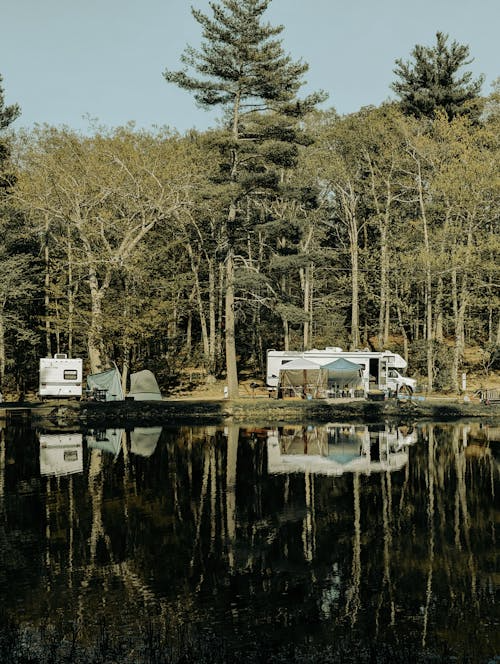
Camper at a campground in the summertime with lots of trees.

Protecting Your RV from Heat

It gets pretty hot out in these parts. Heat is a killer of RVs because they are not built to the same standards as a house. Weight is everything in an RV, so they are made to be light rather than to withstand the elements. Here are a few tips to help protect your RVs from the summer heat. 

  • Use a sunshade or window visor to block direct sunlight and reduce heat inside your RV.
  • Consider using a dehumidifier or ventilation system to maintain airflow and prevent mildew growth.
  • Keep your RV’s roof and exterior surfaces clean and dry to prevent water spots and damage.
  • Apply a protective coating to your RV’s exterior surfaces to protect them from the elements.

Pre-Storage

At the end of the season, how you store your RV is at least as important as how you use and maintain it. 

  • Before storing your RV, thoroughly clean and dry both the interior and exterior. 
  • Empty the water tank and fill the fuel tank to prevent moisture buildup and corrosion. Of course, that’s only applicable to motorhomes.
  • Make absolutely sure to disconnect the propane and electrical appliances to prevent leaks and damage. If your RV is a motorhome, consider using a storage solution, such as a fuel stabilizer, to help maintain the engine and fuel system in good condition.
  • Consider using a cover or tarp to cover your RV during storage, or an RV-specific cover that covers the whole unit. You can also buy tire covers to prevent mildew and dry rot.

Interior

Always clean and dry the interior before storing. Take a mop to the floor, clean it, and dust the entire area, as significant dust accumulates. 

  • Use a dehumidifier or ventilation system to maintain airflow and prevent mildew growth. This only works if you have power at your spot, which we do not. 
  • Consider using a moisture-absorbing product to keep the interior dry and fresh. This is an inexpensive and simple way to keep the humidity levels down in your camper. 
  • Store valuables or sensitive equipment in a secure location to prevent theft or damage.
  • Leave the fridge and freezer doors open to prevent moisture buildup and mildew growth. You can also leave

Plumbing

The plumbing system is one of the most sensitive parts of the entire camper

  • Empty the water tank and disconnect the water hoses to prevent freezing and damage.
  • Consider using a winterization kit to protect your RV’s plumbing from freezing temperatures.
  • Store sensitive plumbing fixtures, such as faucets and toilets, in a secure location.
  • Use a storage solution, such as antifreeze, to keep your RV’s plumbing in good condition.
  • Inspect your RV’s plumbing regularly to prevent leaks and damage.

Plumbing failures account for approximately 40% of all RV repairs, making them the leading cause of damage in RVs, especially in older vehicles. 

The problems often stem from loose fittings, brittle, cracked pipes, malfunctioning pumps, and other issues. 

Electrical and Safety

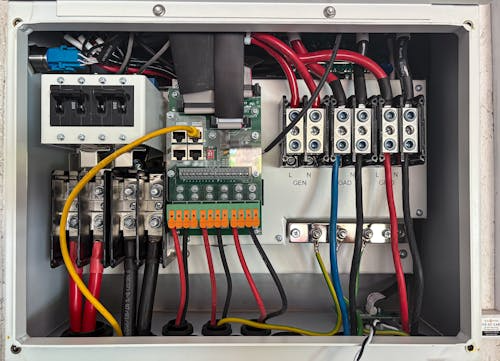
Most RVs have parallel electrical systems: one runs on 12 volts, while the other operates a standard 120-volt residential system. Ensuring the electrical systems are properly stowed and handled for long-term storage is vital for safety.  

  • Disconnect the electrical appliances and systems to prevent damage and electrical shock.
  • Consider using a surge protector to protect your RV’s electrical system from power surges.
  • Store sensitive electrical equipment, such as batteries and electronics, in a secure location. It is a good idea to pull the battery from the camper once you park it for the off-season. 
  • Use a storage solution, such as a battery maintainer, to keep your RV’s battery in good condition. This can be done on the vehicle, but again, removing the battery altogether is a good idea. 
  • Inspect your RV’s electrical system regularly to prevent damage and electrical shock. Be sure to keep an eye out for signs of rodent damage and for any evidence of fire damage, such as burn marks on outlets. If you find any of these items, immediately de-energize all power to the camper, identify the cause of the damage, and repair it.  

Storage Facility

Your RV is a significant investment, so we recommend taking storage seriously. Make sure to look for a storage facility with 24/7 access, sturdy fences, and security cameras

Use a facility with a convenient location and easy access to major highways. You might put your camper up for the season straight after camping, so getting into it after hours is a big deal. 

Consider a facility that offers online reservations and payment. My Storage Box handles all reservations and payment processing conveniently through our website, so you can get started right now and have a place to park your RV when the campgrounds close here in a few weeks.  

Make sure to inspect your RV regularly to prevent damage and ensure it remains in good condition. Winter is hard on campers; storing them correctly is essential to maintaining their value and preventing major damage. 

Facility Security: My Storage Box Is the Secure Option

Featuring state-of-the-art security solutions, My Storage Box is a secure facility with 24/7 access so you can get in and out anytime of day or night with no hassle. Also, we suggest getting one of our storage units to store your camping and RV gear so you can keep everything in one place without cluttering your garage.