
Vehicle Storage Pricing: Everything You Need to Know
If you own a car, RV, truck, or motorcycle, there may come a time when you need a safe, reliable place to store it. Maybe your garage is already packed, you’re relocating for a while, or you only use your vehicle during certain seasons. Whatever the reason, vehicle storage offers a secure, convenient solution, whether you’re looking for short-term parking or long-term protection.
Storage facilities come with plenty of options to fit your needs, from budget-friendly outdoor parking to fully enclosed, climate-controlled units that feel more like VIP treatment for your ride. Whether you’re tucking away a compact car, a big truck, or even an RV, there’s a storage solution built for it.
But here’s the big question: how much does vehicle storage cost, and what actually drives the price?
In this article, we’ll break down the different types of vehicle storage, the factors that affect cost, and how to choose the correct setup for your situation. Let’s dive in!
Average Cost of Vehicle Storage Space
What should you expect to pay when storing your car?
On average, vehicle storage prices range from as little as $30 per month for outdoor parking spots to over $450 per month for large, climate-controlled indoor units.
The wide range comes down to a few key factors: where the vehicle storage facility is located, how much space your vehicle requires, the type of storage you choose, and any added amenities, such as security or climate control. Smaller cars in outdoor spaces typically sit at the lower end of the scale, while RVs, boats, or luxury cars that need maximum protection fall at the higher end. Knowing these averages can help you set a realistic budget before you start comparing facilities.
Factors Affecting Car Storage Space Cost
Several key elements determine what you’ll pay for vehicle storage. Understanding these helps you balance cost and protection:
Location
Urban storage facilities typically cost more because property values and demand are higher. For example, storing a car in downtown Dallas will almost always be pricier than in a small Oklahoma town. If you’re open to driving a little further to access your vehicle, you may save significantly by choosing a rural or suburban location.
Unit size
The bigger the vehicle, the bigger the unit and the bigger the price tag. A motorcycle might fit comfortably in a 5’ x 10’ unit, while a class A RV could require a 12’ x 40’ space. Always measure your vehicle before reserving a unit, and add clearance for doors, mirrors, and any accessories, such as bike racks.
Type of storage
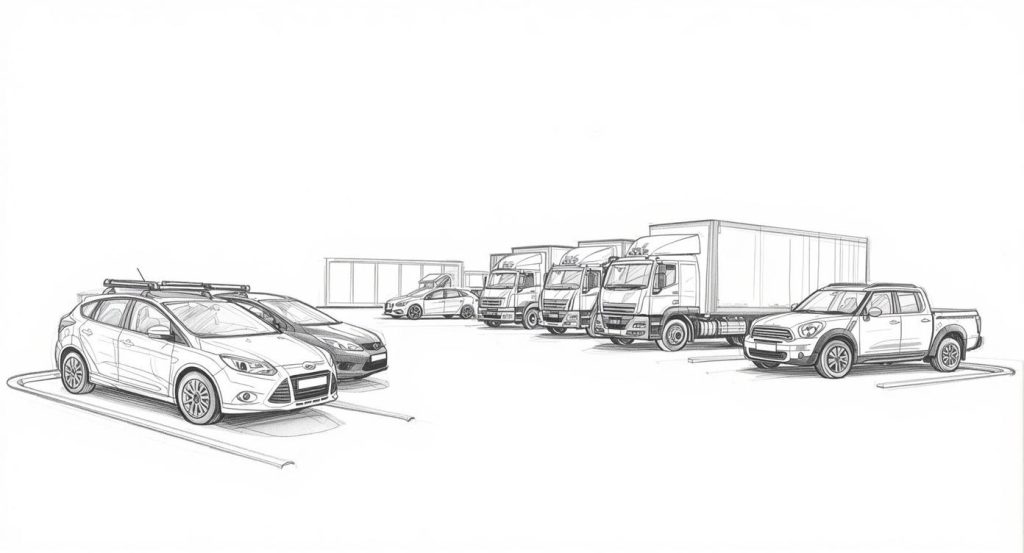
Indoor, outdoor, and covered storage each come at different price points:
- Outdoor storage is the most affordable but offers little protection beyond secure lot access.
- Indoor storage is ideal for luxury or classic vehicles and offers the highest level of security, but at a premium price.
- Covered storage shields your vehicle from rain, sun, and snow without the higher cost of full indoor protection.
If you don’t need a fully enclosed unit, My Storage Box offers a convenient 10×40 Outdoor Parking space, perfect for boats, cars, and motorcycles.
It’s an ideal solution for freeing up your garage, driveaway, or street while keeping your vehicle safe and easily accessible. It also allows 24/7 access in case you need your vehicle at odd hours.
Security features
Facilities with gated entry, 24/7 surveillance, alarms, and on-site staff usually charge more. However, these features can be well worth it for peace of mind, especially if you’re storing a high-value vehicle.
Climate control
If you’re storing your car long-term or live in a region with extreme temperatures, climate-controlled storage can prevent issues like battery drain, tire cracking, or corrosion. It’s more expensive, but it can save you money in repairs down the line.
Vehicle type
Some vehicles require specialized care. Oversized RVs or boats may need large outdoor spaces with power hookups, while luxury cars might demand dust-free, climate-controlled units with added security.

Why Vehicle Storage is Worth Considering
Before we jump into costs, let’s talk about why people turn to vehicle storage space in the first place. The reasons are more common than you think:
- Seasonal use – RVs, motorcycles, and convertibles often spend part of the year off the road. Storing them properly during downtime keeps them in great shape for when the season rolls back around.
- Moving or relocating – If you’re in between homes or relocating temporarily, a storage unit can act like a safe “parking spot” until you’re settled.
- Limited space at home – Not everyone has a garage or driveaway that can handle extra vehicles, especially larger trucks or RVs.
- Protection and peace of mind – With added security, climate control, and even maintenance services, facilities often give your vehicle more love and protection than a typical driveaway ever could.
At the end of the day, knowing your “why” is the first step. Once you’re clear on the reason you need storage, it becomes much easier to decide on the right unit and level of protection for your vehicle.
Proven Tips for Finding Affordable Car Storage
Affordable car storage isn’t just about hunting for the lowest price, but doing the best you can with what you have. That means aiming for the right mix of protection, car storage cost, and convenience.
Here are some practical ways to save money while making sure your vehicle stays safe:
Look Beyond City Limits
Urban storage facilities often charge a premium due to high demand and limited space. If you’re willing to drive a little further, suburban or rural facilities can offer the same level of security and amenities at a fraction of the cost. For many vehicle owners, this small trade-off in convenience translates into significant monthly savings.
Do Your Homework on Car Storage Facilities
Prices don’t always reflect quality, so make sure you research and compare storage unit options. Pay attention to security features, amenities, and the sizes of vehicle storage units. Read reviews, ask for referrals, and if possible, visit the facility in person. Seeing the property’s condition and the security setup firsthand will help you make an informed decision.
Compare Month-to-Month vs. Long-Term Options
Flexibility can save you money. If you’re unsure how long you’ll need storage, a month-to-month plan keeps costs predictable without overcommitting. On the other hand, if you’re storing a vehicle for a season or longer, long-term contracts often come with discounted rates. Picking the right payment plan for your timeline helps you avoid overspending.
Budget for More Than Just Rent
The monthly fee is just one part of the equation. Factor in other potential expenses, such as vehicle insurance, routine maintenance, or any add-on services the facility may provide. Some locations also offer discounts for prepaying or committing to a long-term plan (another reason to ask about promotions before signing). By budgeting realistically, you avoid surprises later on.
Prepare Your Vehicle Properly
A little preparation goes a long way in protecting your investment. Clean and vacuum your vehicle before storage, disconnect the battery, and use a car cover to protect it from dust. For longer-term storage, draining the fuel tank or adding a stabilizer can prevent issues down the road. If your vehicle needs minor repairs or maintenance, it’s best to handle them before parking it in storage. This upfront effort helps maintain your car’s condition and saves money on future fixes.
Match Storage Type to Your Vehicle’s Needs
Choosing the right storage type is where affordability really comes into play. A daily-use car that only needs to be parked for a few weeks may do fine in an outdoor space, which is generally the cheapest option. But for a classic, luxury, or collector’s vehicle, indoor storage is worth the investment to prevent damage. RVs, motorcycles, and oversized vehicles often require specialized units that may include features such as individual alarms or on-site staff. By matching the storage type to your actual needs, you avoid paying for amenities you don’t require while still protecting your vehicle appropriately.
The Bottom Line
So, how much does vehicle storage really cost? In most cases, you’re looking at anywhere from $50 per month for basic outdoor parking to $500+ for premium indoor units that cater to larger or luxury vehicles.
The final price depends on a few things: your vehicle type, the level of protection you want, and, of course, the facility’s location (and yes, your budget, too). While the numbers may vary, one thing is sure: investing in secure storage pays off by protecting your vehicle, preserving its condition, and giving you priceless peace of mind.
At My Storage Box, we make the investment easy. With flexible access, competitive pricing, and top-notch security, we’ll help you find the perfect solution for your vehicle, whether it’s for a month, a season, or the long haul. Get in touch with us at (580) 300-3006. We’re here for all your questions!