How Much Does Vehicle Storage Cost? Your Complete Guide

Vehicle Storage Pricing: Everything You Need to Know

If you own a car, RV, truck, or motorcycle, there may come a time when you need a safe, reliable place to store it. Maybe your garage is already packed, you’re relocating for a while, or you only use your vehicle during certain seasons. Whatever the reason, vehicle storage offers a secure, convenient solution, whether you’re looking for short-term parking or long-term protection.

Storage facilities come with plenty of options to fit your needs, from budget-friendly outdoor parking to fully enclosed, climate-controlled units that feel more like VIP treatment for your ride. Whether you’re tucking away a compact car, a big truck, or even an RV, there’s a storage solution built for it. 

But here’s the big question: how much does vehicle storage cost, and what actually drives the price?

In this article, we’ll break down the different types of vehicle storage, the factors that affect cost, and how to choose the correct setup for your situation. Let’s dive in!

Average Cost of Vehicle Storage Space

What should you expect to pay when storing your car?

On average, vehicle storage prices range from as little as $30 per month for outdoor parking spots to over $450 per month for large, climate-controlled indoor units. 

The wide range comes down to a few key factors: where the vehicle storage facility is located, how much space your vehicle requires, the type of storage you choose, and any added amenities, such as security or climate control. Smaller cars in outdoor spaces typically sit at the lower end of the scale, while RVs, boats, or luxury cars that need maximum protection fall at the higher end. Knowing these averages can help you set a realistic budget before you start comparing facilities.

Factors Affecting Car Storage Space Cost

Several key elements determine what you’ll pay for vehicle storage. Understanding these helps you balance cost and protection:

Location 

Urban storage facilities typically cost more because property values and demand are higher. For example, storing a car in downtown Dallas will almost always be pricier than in a small Oklahoma town. If you’re open to driving a little further to access your vehicle, you may save significantly by choosing a rural or suburban location. 

Unit size 

The bigger the vehicle, the bigger the unit and the bigger the price tag. A motorcycle might fit comfortably in a 5’ x 10’ unit, while a class A RV could require a 12’ x 40’ space. Always measure your vehicle before reserving a unit, and add clearance for doors, mirrors, and any accessories, such as bike racks.

Type of storage 

Indoor, outdoor, and covered storage each come at different price points:

  • Outdoor storage is the most affordable but offers little protection beyond secure lot access.
  • Indoor storage is ideal for luxury or classic vehicles and offers the highest level of security, but at a premium price.
  • Covered storage shields your vehicle from rain, sun, and snow without the higher cost of full indoor protection.

If you don’t need a fully enclosed unit, My Storage Box offers a convenient 10×40 Outdoor Parking space, perfect for boats, cars, and motorcycles. 

It’s an ideal solution for freeing up your garage, driveaway, or street while keeping your vehicle safe and easily accessible. It also allows 24/7 access in case you need your vehicle at odd hours. 

Security features 

Facilities with gated entry, 24/7 surveillance, alarms, and on-site staff usually charge more. However, these features can be well worth it for peace of mind, especially if you’re storing a high-value vehicle.

Climate control 

If you’re storing your car long-term or live in a region with extreme temperatures, climate-controlled storage can prevent issues like battery drain, tire cracking, or corrosion. It’s more expensive, but it can save you money in repairs down the line.

Vehicle type 

Some vehicles require specialized care. Oversized RVs or boats may need large outdoor spaces with power hookups, while luxury cars might demand dust-free, climate-controlled units with added security.

Why Vehicle Storage is Worth Considering

Before we jump into costs, let’s talk about why people turn to vehicle storage space in the first place. The reasons are more common than you think:

  • Seasonal use – RVs, motorcycles, and convertibles often spend part of the year off the road. Storing them properly during downtime keeps them in great shape for when the season rolls back around.
  • Moving or relocating – If you’re in between homes or relocating temporarily, a storage unit can act like a safe “parking spot” until you’re settled.
  • Limited space at home – Not everyone has a garage or driveaway that can handle extra vehicles, especially larger trucks or RVs.
  • Protection and peace of mind – With added security, climate control, and even maintenance services, facilities often give your vehicle more love and protection than a typical driveaway ever could.

At the end of the day, knowing your “why” is the first step. Once you’re clear on the reason you need storage, it becomes much easier to decide on the right unit and level of protection for your vehicle.

Proven Tips for Finding Affordable Car Storage

Affordable car storage isn’t just about hunting for the lowest price, but doing the best you can with what you have. That means aiming for the right mix of protection, car storage cost, and convenience. 

Here are some practical ways to save money while making sure your vehicle stays safe:

Look Beyond City Limits

Urban storage facilities often charge a premium due to high demand and limited space. If you’re willing to drive a little further, suburban or rural facilities can offer the same level of security and amenities at a fraction of the cost. For many vehicle owners, this small trade-off in convenience translates into significant monthly savings.

Do Your Homework on Car Storage Facilities

Prices don’t always reflect quality, so make sure you research and compare storage unit options. Pay attention to security features, amenities, and the sizes of vehicle storage units. Read reviews, ask for referrals, and if possible, visit the facility in person. Seeing the property’s condition and the security setup firsthand will help you make an informed decision.

Compare Month-to-Month vs. Long-Term Options

Flexibility can save you money. If you’re unsure how long you’ll need storage, a month-to-month plan keeps costs predictable without overcommitting. On the other hand, if you’re storing a vehicle for a season or longer, long-term contracts often come with discounted rates. Picking the right payment plan for your timeline helps you avoid overspending.

Budget for More Than Just Rent

The monthly fee is just one part of the equation. Factor in other potential expenses, such as vehicle insurance, routine maintenance, or any add-on services the facility may provide. Some locations also offer discounts for prepaying or committing to a long-term plan (another reason to ask about promotions before signing). By budgeting realistically, you avoid surprises later on.

Prepare Your Vehicle Properly

A little preparation goes a long way in protecting your investment. Clean and vacuum your vehicle before storage, disconnect the battery, and use a car cover to protect it from dust. For longer-term storage, draining the fuel tank or adding a stabilizer can prevent issues down the road. If your vehicle needs minor repairs or maintenance, it’s best to handle them before parking it in storage. This upfront effort helps maintain your car’s condition and saves money on future fixes.

Match Storage Type to Your Vehicle’s Needs

Choosing the right storage type is where affordability really comes into play. A daily-use car that only needs to be parked for a few weeks may do fine in an outdoor space, which is generally the cheapest option. But for a classic, luxury, or collector’s vehicle, indoor storage is worth the investment to prevent damage. RVs, motorcycles, and oversized vehicles often require specialized units that may include features such as individual alarms or on-site staff. By matching the storage type to your actual needs, you avoid paying for amenities you don’t require while still protecting your vehicle appropriately. 

The Bottom Line

So, how much does vehicle storage really cost? In most cases, you’re looking at anywhere from $50 per month for basic outdoor parking to $500+ for premium indoor units that cater to larger or luxury vehicles.

The final price depends on a few things: your vehicle type, the level of protection you want, and, of course, the facility’s location (and yes, your budget, too). While the numbers may vary, one thing is sure: investing in secure storage pays off by protecting your vehicle, preserving its condition, and giving you priceless peace of mind.

At My Storage Box, we make the investment easy. With flexible access, competitive pricing, and top-notch security, we’ll help you find the perfect solution for your vehicle, whether it’s for a month, a season, or the long haul. Get in touch with us at (580) 300-3006. We’re here for all your questions!

Mandatory 2026 Winter Storage Tips for Everything Outdoors

Winter Storage Tips 2026: Best Practices to Protect Your Outdoor Belongings

As the days get shorter and temperatures drop, it’s time to turn your attention to all the things you keep outside. Patio furniture, sports gear, tools, even vehicles, everything that’s been living outdoors during the warm months needs a plan before winter rolls in. If you leave it out in the elements, you risk mold, cracking, rust, and costly damage that’s often avoidable with a little bit of prep.

The golden rule of seasonal transitions is simple: store things clean and dry. A well-organized garage, shed, or secure storage unit can protect your gear from moisture and freezing temperatures, keeping it in perfect shape when you need it again in the spring.

Below we’ve rounded up essential 2026 winter storage tips for everything outdoors, designed to help you get organized, avoid damage, and make next spring’s unpacking a breeze. Let’s dive in!

Where Can You Store Items During Winter?

Before diving into the how, let’s talk about where to store everything once the temperatures drop. The best winter storage location depends on what you’re storing, how much space you have, and how well the area protects against moisture and freezing conditions.

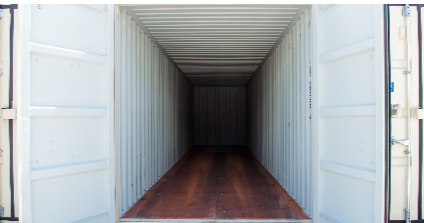
Interior of a shipping container for self-storage.

At Home: Garage, Sheds, Basement

If you have a garage or shed, that’s often the most convenient option. These spaces are ideal for storing bikes, tools, and other small outdoor items, as long as they remain dry and well-ventilated. Add weatherstripping to doors and windows to keep cold air and moisture out, and elevate items off the floor using pallets or shelving in case of melting snow or leaks. Basements can also work for indoor storage, especially for cushions or sports gear, but make sure they’re not damp.

Off-Site Storage Units

If space is tight at home, or you’re storing something large like a vehicle, RV, or full patio set, renting a storage unit is your best bet. Storage units also add a layer of security and convenience: you can access your belongings anytime without sacrificing garage or driveaway space.

Covered or Outdoor Storage Lots

For larger vehicles, like boats or RVs, covered or outdoor storage lots are a cost-effective alternative. While they don’t offer full climate control, using high-quality covers and properly preparing your vehicle will still protect against snow, debris, and UV damage.

No matter which option you choose, the key to ensuring that your storage space is clean, dry, and protected from moisture. That’s the foundation of everything else that follows.

Garage Organization

For many of us, the garage is the first place things end up when the weather changes. But without a clear system, it can quickly turn into a maze of half-stacked boxes, tangled cords, and random gear leaning against every wall. Winter is the perfect time to give this space a clean reset.

Start by looking up. Overhead racks and ceiling-mounted shelving units are fantastic for getting bins, containers, or lightweight seasonal decor off the garage floor. This frees up valuable ground space and helps keep everything dry if the floor gets wet.

Use your wall wisely. Wall-mounted systems, like slatwalls with adjustable hooks, are game-changers. You can hang bikes, skateboards, and tools so they’re both secure and easy to grab later. 

Designate zones. Assign areas for different categories: sports gear, tools, garden equipment, etc. Not only does this keep things organized, but it also speeds up the Spring setup.

If you use your garage for winter sports gear, pick a dry, well-ventilated corner to store skis, snowboards, or hockey sticks. Keeping them off the floor and away from dampness helps prevent rusted edges or warped boards.

A clean, organized garage sets the tone for the rest of your storage process. It gives you a clear view of what you actually own, which makes it easier to declutter before winter really sets in.

Sports Equipment Storage

Sports gear often gets shoved into corners or closets at the end of the season, but that’s exactly how mold, rust, and unpleasant surprises happen. Whether it’s summer camping gear, bikes, or winter sports equipment you’re about to bring out, give everything a thorough clean and let it dry completely before putting it away.

  • Wipe down and air-dry tents, life jackets, helmets, and pads before storing to prevent mildew.
  • Lubricate metal parts on bikes or scooters to prevent rust during cold, damp months.
  • Use vertical storage like hooks or racks to keep skis, snowboards, and paddles upright and spaced out. This encourages airflow and prevents warping.

For vehicle tires or recreational vehicles like ATVs, put tire covers to protect against UV rays and temperature swings. If you’re storing small engines or gas-powered tools, add fuel stabilizers and run the engine for a few minutes. This prevents sticky resin deposits and clogs when you fire things up in the spring. 

These steps don’t have to take long, but they pay off when you pull everything out in spring and find it exactly as you left it.

Vehicle Storage

Winter can be harsh on vehicles. Whether it’s a car, motorcycle, ATV, or RV, simply throwing a cover on and hoping for the best isn’t enough. 

Indoor vs. Outdoor Storage

If you have indoor space, use it. A dry place or a secure storage unit protects your vehicle from snow, freezing temperatures, and critters seeking shelter. For RVs, winterizing the plumbing by draining the water system and adding antifreeze is essential to avoid burst pipes.

If you don’t have room at home, a storage facility with covered or waterproof options is an excellent alternative for keeping your vehicle in top condition until spring.

Essential Tips for All Vehicles

  • Wash and wax the exterior to create a protective barrier.
  • Check and top off all fluids.
  • Inflate tires to the recommended pressure.
  • Choose a breathable, weather-resistant cover to protect against snow, sap, and bird droppings.
  • Follow your manufacturer’s instructions for seasonal storage.
  • Add fuel stabilizer and run the engine briefly to circulate it.
  • Disconnect the battery or use a trickle charger to prevent drainage.

Taking the time to prep your vehicle properly ensures that when the first warm day hits, you’re ready to roll.

Outdoor Furniture Storage

Outdoor furniture is one of the easiest things to forget about until you uncover it in spring and discover moldy cushions, cracked frames, or rust spots. A little effort now can make a huge difference.

  1. Clean all surfaces with mild soap and water, and let them dry fully.
  2. Remove cushions and store them in bins or fabric bags in a completely dry, ventilated area. If space allows, keep them indoors.
  3. Cover furniture with breathable covers that keep moisture out but allow air circulation. Avoid plastic tarps that trap condensation.
  4. Stack or fold lightweight items like chairs to save space, but don’t pile too high as this can cause warping or dents.

If you don’t have indoor storage space, consider using a secure storage unit to keep your patio looking like new.

Maintenance and Inspection

Winter storage doesn’t end once everything is packed away. A simple inspection routine can prevent surprises later on.

  • Create a storage checklist to keep track of what you’ve packed, where it’s stored, and any prep steps you took (like adding fuel stabilizer).
  • Pick a dry day once or twice during winter to check on stored items. Look for signs of moisture, pests, or shifting.
  • If you’re storing in a garage or shed, consider using a dehumidifier or moisture absorbers to keep humidity under control or prevent mold growth.

These periodic checks are quick but can save you from dealing with moldy gear or damaged belongings come spring.

Security and Safety

Whether you’re storing valuable sports equipment or a vehicle, security matters. Winter often brings fewer people outdoors, making storage areas tempting targets for opportunistic thieves.

  • Use sturdy locks on doors and storage units.
  • Keep expensive gear out of sight, either in closed cabinets or covered with opaque tarps.
  • Store dangerous tools or chemicals out of reach of children and pets.
  • If you’re using a storage unit, choose one with good lighting, cameras, and gated access for peace of mind.

A few basic security measures can go a long way in protecting everything you’ve worked hard to maintain.

Rent a Storage Unit for Peace of Mind

Sometimes, no matter how well you organize your garage, there just isn’t enough space at home. That’s where seasonal storage units come in.

At My Storage Box, for example, you can find secure, affordable storage solutions for everything from sports equipment and patio sets to vehicles and RVs. With flexible unit sizes and waterproof spaces, you can store your belongings confidently, knowing they’re protected from harsh winter conditions. 

Whether you’re storing for a couple of months or the whole season, off-site storage gives you extra breathing room at home while keeping your outdoor gear in great shape.

Final Thoughts

Winter doesn’t have to be a season of damage and disorganisation. With a little planning and smart storage solutions, you can keep everything safe, dry, and ready for next season. Yes, even the patio furniture!

The key is simple: clean, dry, organized, and secure. By taking these steps now, you’ll save yourself time, money, and stress when spring arrives.

If you’re short on space or want extra peace of mind, consider renting a secure storage unit through My Storage Box. It’s an easy way to protect your investments and make seasonal transitions effortless. 

Ready to store your winter belongings? Call us at (580) 300-3006 or reserve your unit online today.

RV & Motorhome Storage Solutions Near You: Safe, Simple, and 24/7 Accessible

How to Choose the Right Motorhome Storage Facility Near You

Spring has sprung all over the Great Plains and Midwest. The chill of winter has shaken off, and now the vivid greens of spring have taken the place of drab browns. And with springtime comes a host of outdoor activities: boating, fishing, and, of course, camping. 

RVing is a huge industry in the U.S., with an estimated annual economic impact of around $140 billion. It provides almost 700,000 jobs and pays out over $48 billion in salary and wages annually. RVing is extremely popular in Oklahoma, especially with so many beautiful lakes and campgrounds in Northeastern Oklahoma, and our close proximity to the Ozarks in Missouri, Arkansas, and yes, our own ranges in Eastern Oklahoma. 

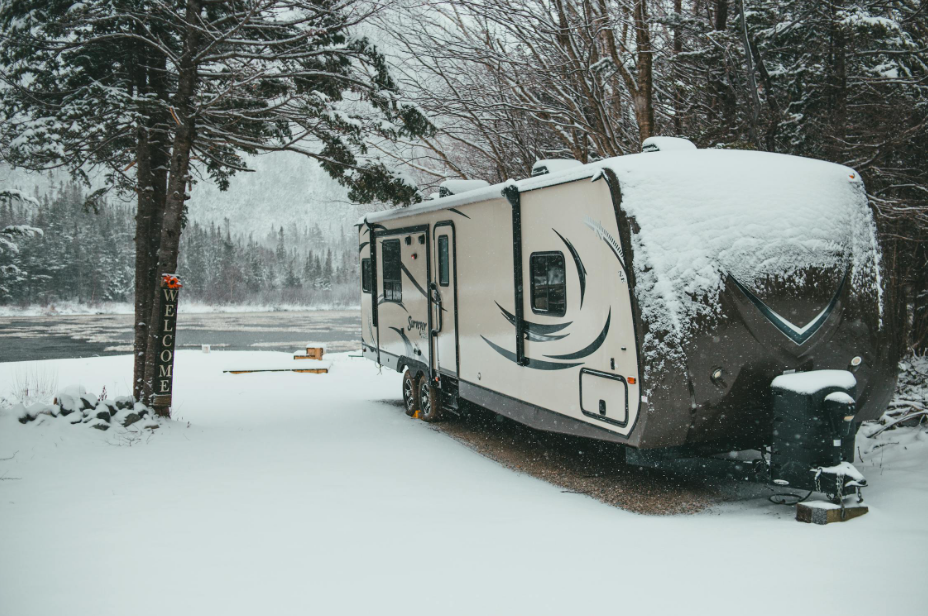
My Storage Box is proud to offer secure, easily accessible outdoor storage for your RVs, whether you have a motorhome or a trailer. Let’s take a look at outdoor storage options.

An Introduction to Motorhome Storage

Motorhomes are one of the most popular styles of RVs made, mostly because of their self-propelled nature. Trailers are a cheaper option, but they also require an adequate tow vehicle to get them from point A to point B. 

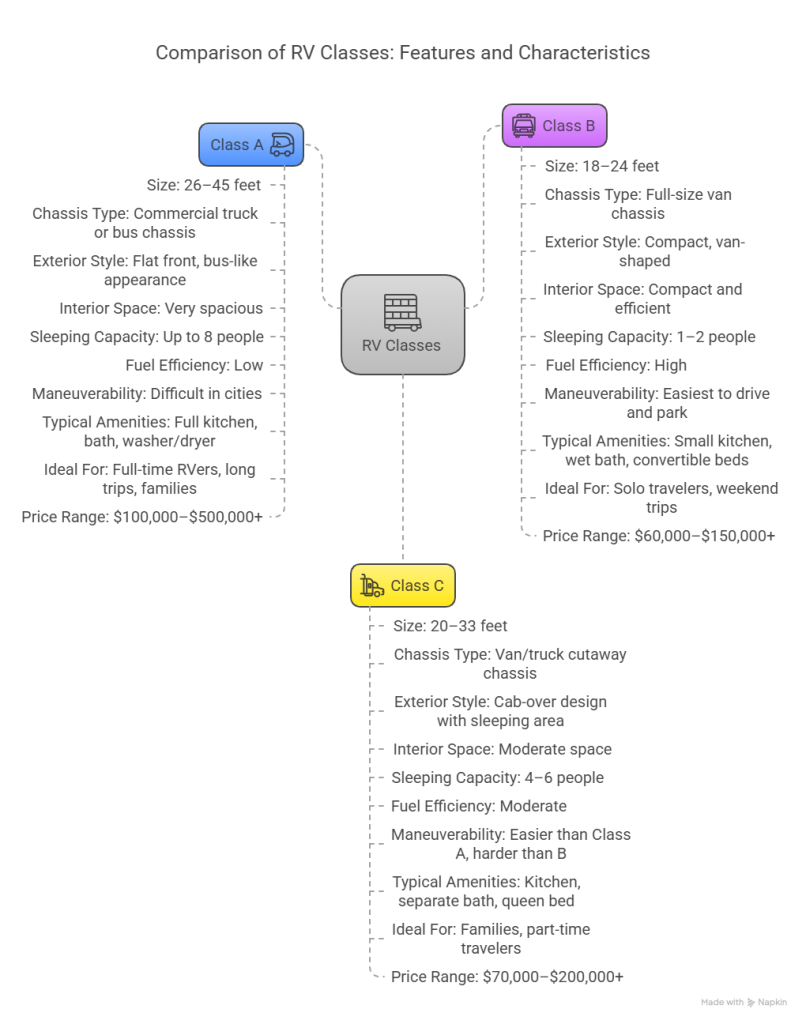
Motorhomes come in various sizes and three different classes that are completely different in terms of build.

Class A Motorhomes

These are the classic, land-yacht style motorhomes that usually use a pusher engine configuration. These are high-end machines that are both large and expensive. Unlike RV trailers and smaller classes of motorhomes, Class A RVs offer vast amounts of space and use full-size medium-duty truck tires, axles, and brakes. They probably have at least one slide as well. 

Price points on Class A RVs routinely get to $500,000, but they are very nice vehicles with plenty of capacity to tow a full-size tagalong vehicle behind without breaking a sweat, even when passing through mountain passes. 

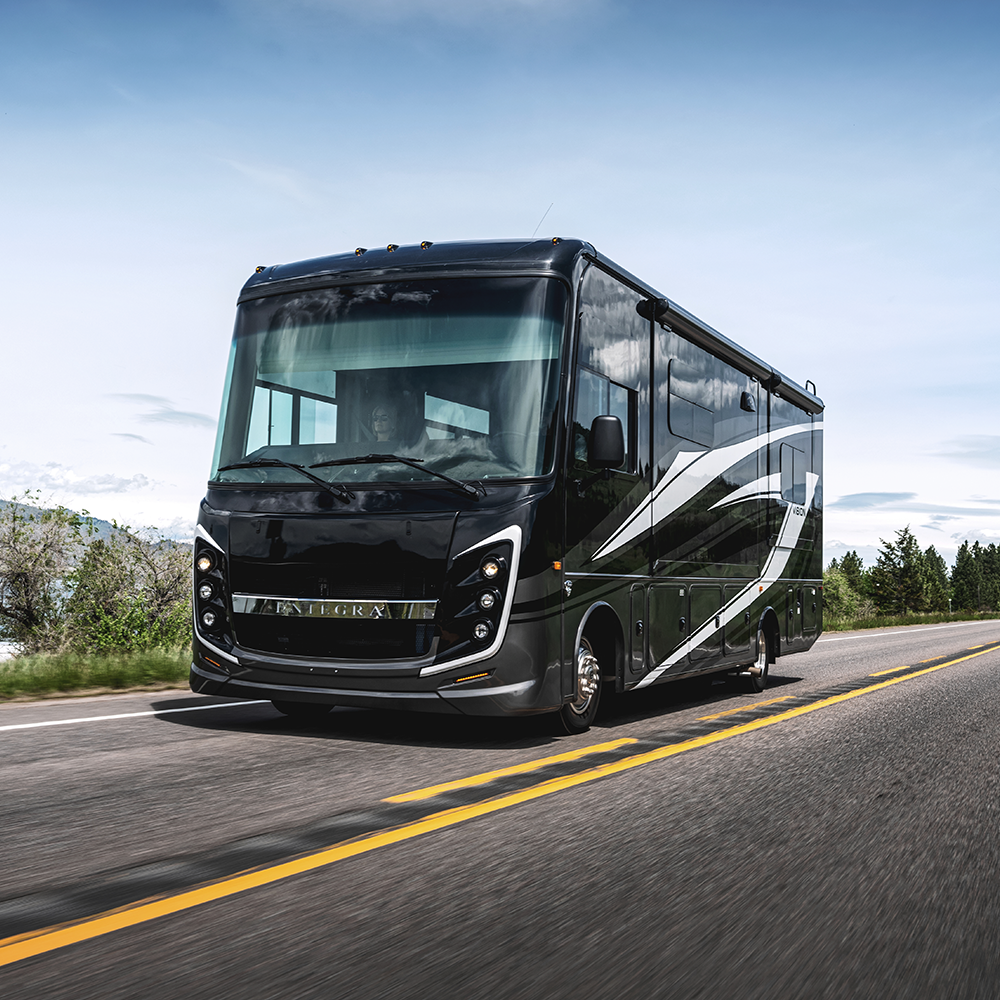
Entegra Coach Vision Gas Class A Motorhome” by Anshamblen15 is licensed under CC BY-SA 4.0.

Class B Motorhomes

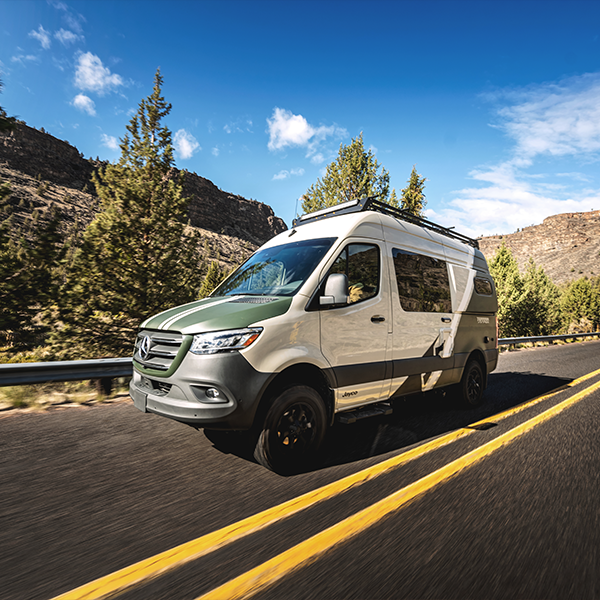
Motorhome classes are not done in a sequential order from largest to smallest, or vice versa. Class B motorhomes are what you might call a camper van. They take a large van and modify the interior to be a camper. These are great options for one or two travelers, and they are also easy to get in and out of anywhere that regular cars and trucks go. If you have ever driven an RV through a major city, you will understand how nice this is. These almost never use a slide, but they tend to be an affordable option if you are a DIYer. 

Class C Motorhomes

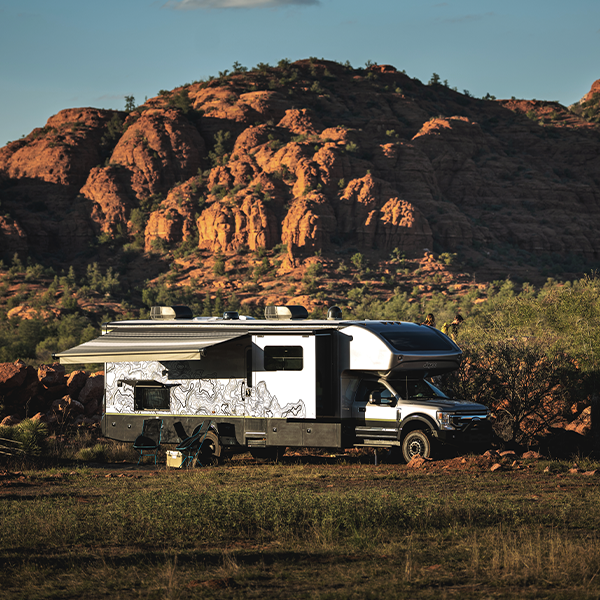
Finally, we have Class C motorhomes. These are sort of an in-between unit between large Class A rigs and compact Class B van conversions. The Class C motorhome takes a cab and chassis from a commercial light truck or van and puts a camper on the back. Think of a cab and chassis truck like moving truck rentals use (U-Haul, Pensky, etc.). A Class C motorhome is essentially the same, but instead of a storage box, it features a camper. 

Class C rigs are smaller and lighter than Class A rigs, but they are quite a bit larger than most Class B rigs. Also, they will still fit in front of your house most of the time, although getting them in the garage is another matter. 

Why Storage?

Alright, so why should you put your RV in outdoor storage? For one thing, to save space at your home. A motorhome takes up a whole lot of space. This isn’t a terribly big problem when you live on acreage outside of the city, but what if you do live in town, as most people do?

Outdoor storage is a great idea to get RVs out of driveways and off the curb. Also, a lot of cities and towns have ordinances against this, especially if they are blocking any part of the driveway. 

Plus,  unless you have your own secure storage area, you are at the mercy of anyone who is trolling around, looking for things to steal or mischief to make. Our outdoor storage is gated and fenced with cameras all over. You can store your motorhome here with a lot less concern about storage space and parking, and you know it will be secure here. 

Storage Solutions

There is no need to overthink storage solutions for your motorhome. You need a place to park it to get it off the street or out of your driveway, and you want the assurance that it is safe. 

We have you covered. 

Facility Features

We are committed to providing the most secure facility possible for our customers. You need access when you need access, and you need it to be safe. For outdoor storage, you are afforded a 10’x40’ gravel parking area for your motorhome in a fully automated, gated facility.

Security Measures

We protect your assets with the following security measures:

  • Automated security gate
  • Full perimeter fence
  • 24/7 video monitoring
  • Outdoor lighting

Access and Convenience

My Storage Box is accessible 24/7 with digital card access through a fully automated security gate. Got stuff from the lake that you need to drop off in a storage unit and park your motorhome, too, but you are pulling into town in the wee hours? No problem. Go for it!

We are located right off of North Waverly on the airport, so access was easy, and again, it’s open all the time. 

Why Choose MSB

Why not kill two birds with one stone? If you have a motorhome or RV, you probably have extra items that you pack for your trips that don’t really have anywhere better to go. At My Storage Box, you can rent an outdoor parking area for your RV and a storage unit to keep your extra odds and ends in. 

We make the process super easy, and you can do all of your storage in one spot. Do you have a spare car that you also need to store? Grab another outdoor storage spot beside your RV. 

Motorhome Storage FAQs

Is The Area Covered?

No, our storage is all outdoor, open-air storage. 

Is Power Available?

No, there is no power in our RV storage lot. Make sure to prepare your RV for storage without external power. 

Is Outdoor RV Storage Secure?

Absolutely! Our RV storage is in the same secure lot where we keep our storage units. It is fenced and gated, and surveillance cameras are in place throughout the facility, so you know your RV is safe and secure. 

Final Thoughts on Motorhome Storage Near You

How do you know you have the proper storage facility when there are so many? There are a few things to think about. For one, do you mind towing or driving your RV, or would you rather store it nearby and just haul it to the campsite for camping? Consider the location, type of storage, and amenities the facility offers.

Finally, if you are in the Ponca City area and need both a storage unit and are wondering about RV storage facilities, call us at (580) 300-3006! We offer both, making it a most convenient purchase for you. You can store all your camping essentials in a storage unit with your RV nearby and pack it all up when you’re ready to hit the road!