
Winter Storage Tips 2026: Best Practices to Protect Your Outdoor Belongings
As the days get shorter and temperatures drop, it’s time to turn your attention to all the things you keep outside. Patio furniture, sports gear, tools, even vehicles, everything that’s been living outdoors during the warm months needs a plan before winter rolls in. If you leave it out in the elements, you risk mold, cracking, rust, and costly damage that’s often avoidable with a little bit of prep.
The golden rule of seasonal transitions is simple: store things clean and dry. A well-organized garage, shed, or secure storage unit can protect your gear from moisture and freezing temperatures, keeping it in perfect shape when you need it again in the spring.
Below we’ve rounded up essential 2026 winter storage tips for everything outdoors, designed to help you get organized, avoid damage, and make next spring’s unpacking a breeze. Let’s dive in!
Where Can You Store Items During Winter?
Before diving into the how, let’s talk about where to store everything once the temperatures drop. The best winter storage location depends on what you’re storing, how much space you have, and how well the area protects against moisture and freezing conditions.
At Home: Garage, Sheds, Basement
If you have a garage or shed, that’s often the most convenient option. These spaces are ideal for storing bikes, tools, and other small outdoor items, as long as they remain dry and well-ventilated. Add weatherstripping to doors and windows to keep cold air and moisture out, and elevate items off the floor using pallets or shelving in case of melting snow or leaks. Basements can also work for indoor storage, especially for cushions or sports gear, but make sure they’re not damp.
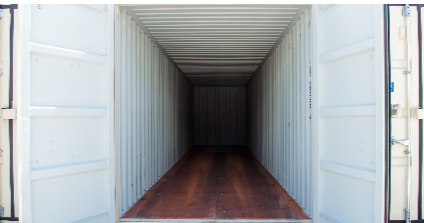
Off-Site Storage Units
If space is tight at home, or you’re storing something large like a vehicle, RV, or full patio set, renting a storage unit is your best bet. Storage units also add a layer of security and convenience: you can access your belongings anytime without sacrificing garage or driveaway space.
Covered or Outdoor Storage Lots
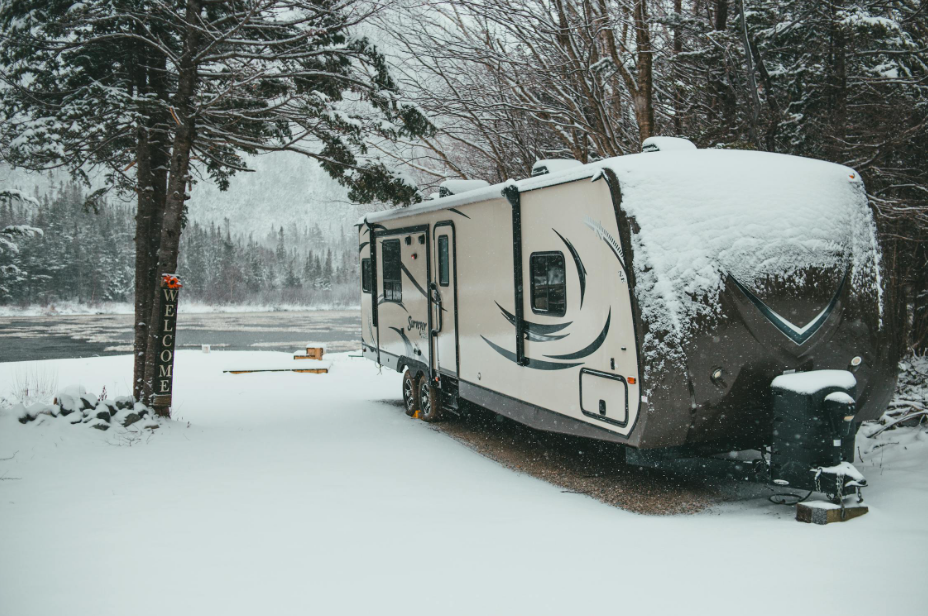
For larger vehicles, like boats or RVs, covered or outdoor storage lots are a cost-effective alternative. While they don’t offer full climate control, using high-quality covers and properly preparing your vehicle will still protect against snow, debris, and UV damage.
No matter which option you choose, the key to ensuring that your storage space is clean, dry, and protected from moisture. That’s the foundation of everything else that follows.
Garage Organization
For many of us, the garage is the first place things end up when the weather changes. But without a clear system, it can quickly turn into a maze of half-stacked boxes, tangled cords, and random gear leaning against every wall. Winter is the perfect time to give this space a clean reset.
Start by looking up. Overhead racks and ceiling-mounted shelving units are fantastic for getting bins, containers, or lightweight seasonal decor off the garage floor. This frees up valuable ground space and helps keep everything dry if the floor gets wet.
Use your wall wisely. Wall-mounted systems, like slatwalls with adjustable hooks, are game-changers. You can hang bikes, skateboards, and tools so they’re both secure and easy to grab later.
Designate zones. Assign areas for different categories: sports gear, tools, garden equipment, etc. Not only does this keep things organized, but it also speeds up the Spring setup.
If you use your garage for winter sports gear, pick a dry, well-ventilated corner to store skis, snowboards, or hockey sticks. Keeping them off the floor and away from dampness helps prevent rusted edges or warped boards.
A clean, organized garage sets the tone for the rest of your storage process. It gives you a clear view of what you actually own, which makes it easier to declutter before winter really sets in.
Sports Equipment Storage
Sports gear often gets shoved into corners or closets at the end of the season, but that’s exactly how mold, rust, and unpleasant surprises happen. Whether it’s summer camping gear, bikes, or winter sports equipment you’re about to bring out, give everything a thorough clean and let it dry completely before putting it away.
- Wipe down and air-dry tents, life jackets, helmets, and pads before storing to prevent mildew.
- Lubricate metal parts on bikes or scooters to prevent rust during cold, damp months.
- Use vertical storage like hooks or racks to keep skis, snowboards, and paddles upright and spaced out. This encourages airflow and prevents warping.
For vehicle tires or recreational vehicles like ATVs, put tire covers to protect against UV rays and temperature swings. If you’re storing small engines or gas-powered tools, add fuel stabilizers and run the engine for a few minutes. This prevents sticky resin deposits and clogs when you fire things up in the spring.
These steps don’t have to take long, but they pay off when you pull everything out in spring and find it exactly as you left it.
Vehicle Storage
Winter can be harsh on vehicles. Whether it’s a car, motorcycle, ATV, or RV, simply throwing a cover on and hoping for the best isn’t enough.
Indoor vs. Outdoor Storage
If you have indoor space, use it. A dry place or a secure storage unit protects your vehicle from snow, freezing temperatures, and critters seeking shelter. For RVs, winterizing the plumbing by draining the water system and adding antifreeze is essential to avoid burst pipes.
If you don’t have room at home, a storage facility with covered or waterproof options is an excellent alternative for keeping your vehicle in top condition until spring.
Essential Tips for All Vehicles
- Wash and wax the exterior to create a protective barrier.
- Check and top off all fluids.
- Inflate tires to the recommended pressure.
- Choose a breathable, weather-resistant cover to protect against snow, sap, and bird droppings.
- Follow your manufacturer’s instructions for seasonal storage.
- Add fuel stabilizer and run the engine briefly to circulate it.
- Disconnect the battery or use a trickle charger to prevent drainage.
Taking the time to prep your vehicle properly ensures that when the first warm day hits, you’re ready to roll.
Outdoor Furniture Storage
Outdoor furniture is one of the easiest things to forget about until you uncover it in spring and discover moldy cushions, cracked frames, or rust spots. A little effort now can make a huge difference.
- Clean all surfaces with mild soap and water, and let them dry fully.
- Remove cushions and store them in bins or fabric bags in a completely dry, ventilated area. If space allows, keep them indoors.
- Cover furniture with breathable covers that keep moisture out but allow air circulation. Avoid plastic tarps that trap condensation.
- Stack or fold lightweight items like chairs to save space, but don’t pile too high as this can cause warping or dents.
If you don’t have indoor storage space, consider using a secure storage unit to keep your patio looking like new.
Maintenance and Inspection
Winter storage doesn’t end once everything is packed away. A simple inspection routine can prevent surprises later on.
- Create a storage checklist to keep track of what you’ve packed, where it’s stored, and any prep steps you took (like adding fuel stabilizer).
- Pick a dry day once or twice during winter to check on stored items. Look for signs of moisture, pests, or shifting.
- If you’re storing in a garage or shed, consider using a dehumidifier or moisture absorbers to keep humidity under control or prevent mold growth.
These periodic checks are quick but can save you from dealing with moldy gear or damaged belongings come spring.
Security and Safety
Whether you’re storing valuable sports equipment or a vehicle, security matters. Winter often brings fewer people outdoors, making storage areas tempting targets for opportunistic thieves.
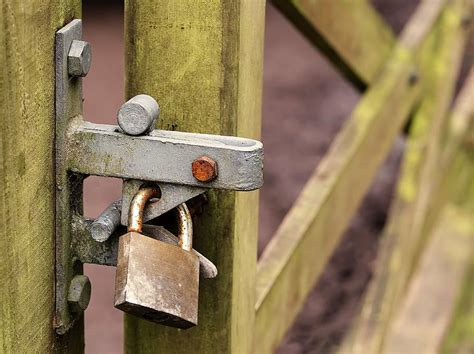
- Use sturdy locks on doors and storage units.
- Keep expensive gear out of sight, either in closed cabinets or covered with opaque tarps.
- Store dangerous tools or chemicals out of reach of children and pets.
- If you’re using a storage unit, choose one with good lighting, cameras, and gated access for peace of mind.
A few basic security measures can go a long way in protecting everything you’ve worked hard to maintain.
Rent a Storage Unit for Peace of Mind
Sometimes, no matter how well you organize your garage, there just isn’t enough space at home. That’s where seasonal storage units come in.
At My Storage Box, for example, you can find secure, affordable storage solutions for everything from sports equipment and patio sets to vehicles and RVs. With flexible unit sizes and waterproof spaces, you can store your belongings confidently, knowing they’re protected from harsh winter conditions.
Whether you’re storing for a couple of months or the whole season, off-site storage gives you extra breathing room at home while keeping your outdoor gear in great shape.
Final Thoughts
Winter doesn’t have to be a season of damage and disorganisation. With a little planning and smart storage solutions, you can keep everything safe, dry, and ready for next season. Yes, even the patio furniture!
The key is simple: clean, dry, organized, and secure. By taking these steps now, you’ll save yourself time, money, and stress when spring arrives.
If you’re short on space or want extra peace of mind, consider renting a secure storage unit through My Storage Box. It’s an easy way to protect your investments and make seasonal transitions effortless.
Ready to store your winter belongings? Call us at (580) 300-3006 or reserve your unit online today.